
glass tempering
Understanding Filter DN50 The Essential Component for Fluid Management When it comes to the management of fluids in industrial, commercial, and even residential applications, filters play a crucial role. Among the various types of filters available, the DN50 filter stands out due to its size, efficiency, and versatility. The term DN50 refers to the nominal diameter of the pipe, which is 50 millimeters, making it a commonly used size in various piping systems. Understanding Filter DN50 The Essential Component for Fluid Management One of the primary advantages of using a DN50 filter is its ability to handle a reasonable flow rate while effectively trapping debris, particulates, and other unwanted substances. This facilitates a cleaner and more efficient operation, reducing the chances of clogs, wear, and potential failures in pumps, valves, and other critical components of the fluid system. Regular maintenance and monitoring of the filter are essential, as a clogged filter can significantly impair system performance. filter dn50 Moreover, DN50 filters are available in various designs and materials, including stainless steel, plastic, and more, catering to the specific needs of different applications. Some models are equipped with features such as self-cleaning mechanisms, which enhance their operational longevity and reduce the need for frequent manual intervention. The installation of a DN50 filter can greatly extend the life of a fluid system. By removing particulates and impurities, the filter prevents them from accumulating and causing damage to other system components. This not only improves operational efficiency but can also lead to cost savings over time by minimizing repairs and replacements. In summary, the DN50 filter is a vital component for any fluid management system. Its ability to maintain fluid quality while accommodating significant flow rates makes it indispensable across various industries. Whether in a water treatment facility removing sediments or in a manufacturing plant ensuring that hydraulic systems remain free from contamination, the DN50 filter serves a critical function in safeguarding equipment and enhancing overall system performance. As technology continues to evolve, we can anticipate even more advanced filtration solutions that will further improve efficiency and efficacy across various applications.
about
glass tempering
How to Effectively Turn Off a Water Valve A Comprehensive Guide Water is an essential resource in our daily lives, but situations may arise when it is necessary to turn off the water supply to prevent leaks, undertake repairs, or manage emergencies. Understanding how to turn off your water valve is critical, and this guide will provide comprehensive steps to do so effectively. Understanding Water Valves Before diving into the methods for turning off a water valve, it's important to understand the different types of valves you may encounter in your home. The two primary types are 1. Main Water Valve This valve controls the entire water supply to your home. It is typically located close to where the water line enters your house, often found in the basement or the crawlspace. 2. Individual Fixture Valves These valves are located near specific fixtures, such as sinks, toilets, and washing machines. They allow you to turn off the water supply to a specific area without affecting the rest of the house. When to Turn Off the Water Valve There are several scenarios in which you would need to turn off your water supply. These include - Preventing Flooding If you discover a significant leak, turning off the main valve can help minimize water damage. - Performing Repairs Whether you’re fixing a leaky faucet or replacing a toilet, shutting off the water supply is a crucial safety step. - Winterization In colder months, turning off the valve can prevent pipes from freezing and bursting. turn off water valve Steps to Turn Off the Water Valve 1. Locate the Valve - If you need to turn off the main water valve, look for a round or oval-shaped handle near the point where the water enters your home. The valve may be made of brass, PVC, or steel. - For individual fixture valves, they are usually found directly behind or underneath the fixture. 2. Prepare the Area - Before turning off any valve, clear the area around it. Make sure you have enough space to work, and keep a towel nearby in case of spills. 3. Turn Off the Valve - For a gate valve (which has a round handle), turn the handle clockwise until it stops. This is the traditional way of closing a water valve. - For a ball valve (which has a lever), turn the lever 90 degrees so it is perpendicular to the pipe. This should effectively shut off the water supply. 4. Check for Water Flow - After turning off the valve, turn on a tap at the highest point in your home, such as a bathroom sink. Let it run until it’s clear of water. Then, check a tap at the lowest point, like a basement sink. This process ensures all water pressure is relieved from the pipes. 5. Perform Your Task - Whether you are making repairs, checking for leaks, or winterizing, carry out your task confidently knowing the water is turned off. 6. Turning the Water Back On - Once your work is complete, you can restore the water supply by reversing the steps. Turn the valve counterclockwise for a gate valve or bring the lever back to its original position on a ball valve. Again, check for any leaks after the water supply is restored. Conclusion Knowing how to turn off a water valve can save you from dealing with significant damage and costly repairs. Regular checks and maintenance of your valves can also ensure they function correctly when you need them most. Be sure to familiarize yourself with both your main and individual fixture valves; preparedness is key in managing the waterways of your home! Remember, timely action and proper techniques are essential to maintain the integrity of your plumbing system.
-

High quality industrial productsagement

High quality industrial products
View Details -

Meet the diverse needs of customers

Meet the diverse needs of customers
View Details -

Strict quality control

Strict quality control
View Details -

Top raw materials

Top raw materials
View Details -

Trusted supplier

Trusted supplier
View Details
Our application
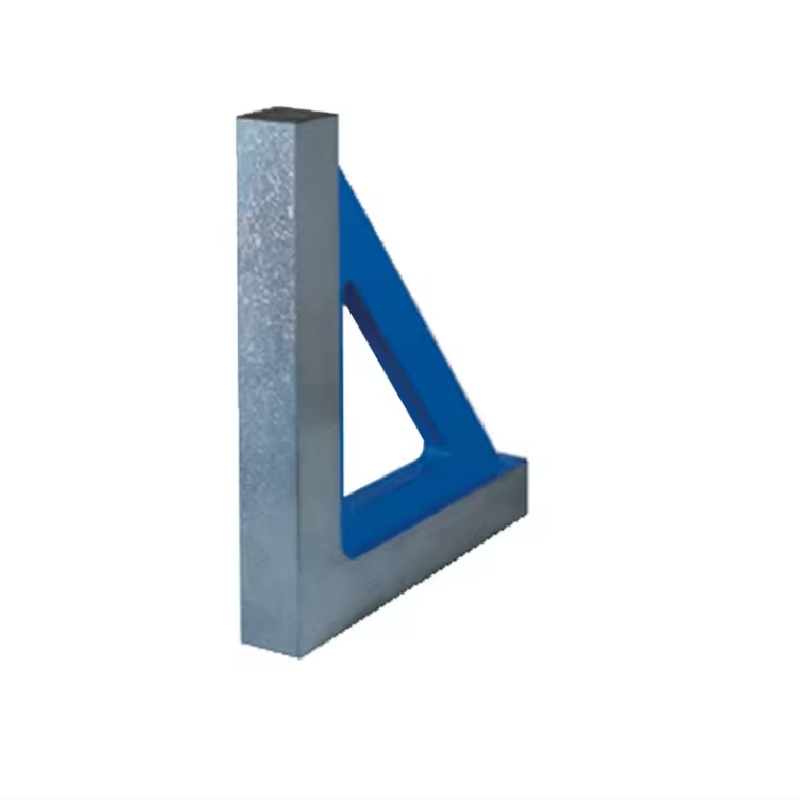
news and information
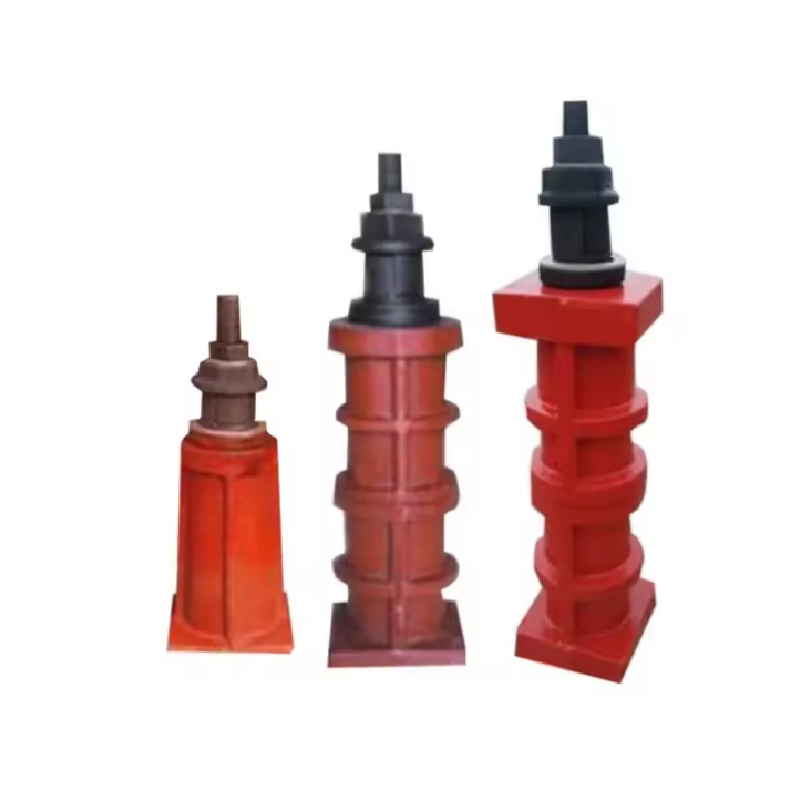
Welding Inspection Ruler for Accurate Joint Measurement and Quality Control
The Importance of Welding Inspection Rulers in Quality Control Welding is a critical process in nume
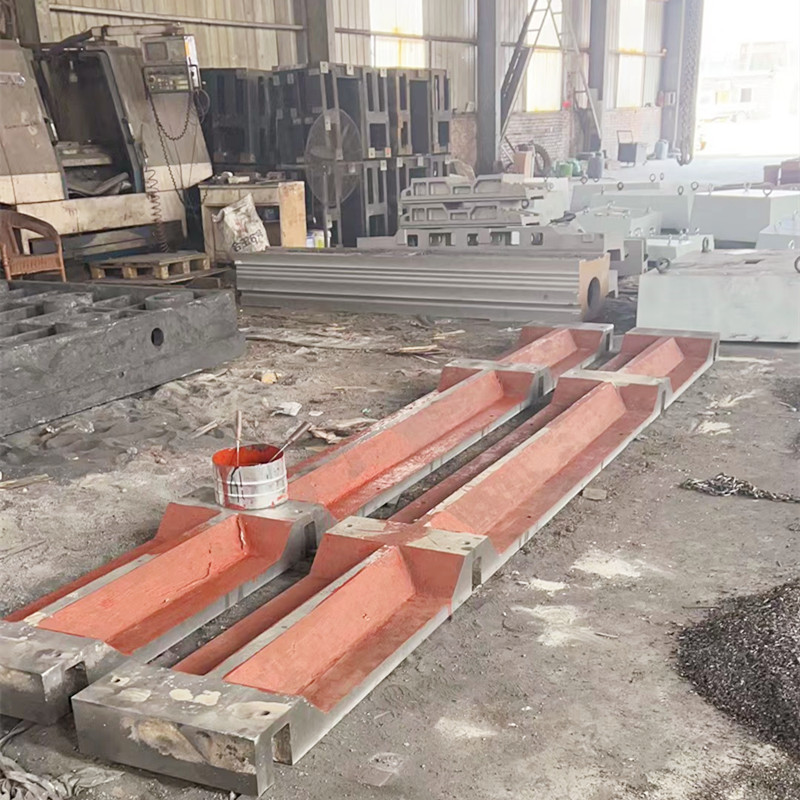
Versatile 3D Welding Table for Enhanced Fabrication and Precision Work
The Importance and Advantages of 3D Welding Tables in Modern Fabrication In the world of metal fabri

Válvula mariposa de 12 pulgadas con actuador para control de flujo eficiente
Válvula de mariposa de 12 pulgadas con actuador Un componente clave en sistemas de control de flujo
 English